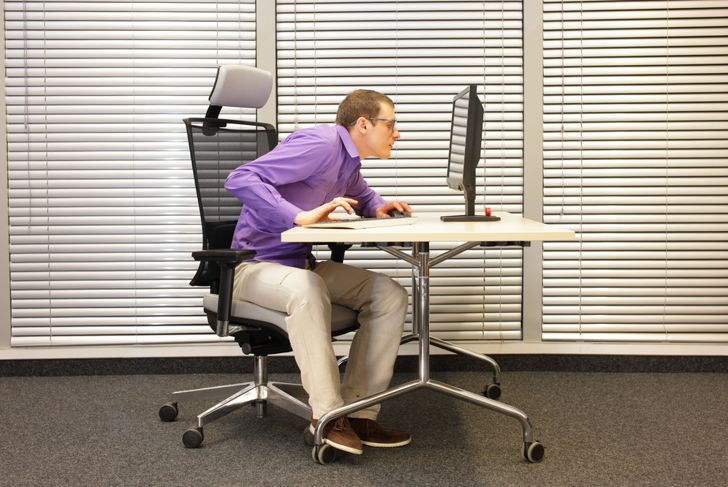
In today’s modern workplaces, many employees spend long hours working at desks, operating machinery, or perform repetitive tasks. While these activities may appear harmless, poor posture, incorrect lifting techniques, and poorly designed workstations can lead to long term health problems. Ergonomics focuses on designing work environments, and tasks to fit the worker rather than forcing the worker to adapt to uncomfortable conditions. By applying ergonomics principles, organizations can reduce workplace injuries, improve employee comfort, and enhance productivity. Promoting ergonomic awareness is therefore an essential step is maintaining a safe and healthy workplace.
WHY ERGONOMICS MATTERS IN THE WORKPLACE
Poor ergonomic practices are one of the leading causes of musculoskeletal disorders (MSDs) in workplaces round the world. These conditions often develop gradually and may include back pain, neck strain, muscle fatigue, and joint discomfort. Employees who work in uncomfortable or poorly designed environments are more likely to experience:
- Back and neck pain
- Muscle fatigue and strain
- Reduced concentration and productivity
- Increased risk of long-term injury
By implementing ergonomic practices, organisations can
significantly reduce these risks while creating a more
comfortable and efficient working environment.
ERGONOMIC AWARENESS THROUGH COMMUNICATION VISUAL
One effective way to promote ergonomic awareness in the workplace is through visual materials such as safety posters and infographics. These tools provide simple and clear reminders of proper ergonomic practices that employees can easily follow during their daily tasks. Infographics are particularly useful because they present important information in engaging a format, visually helping workers quickly understand and apply ergonomic principles.
KEY ERGONOMIC PRACTICES FOR EMPLOYEE
Applying simple ergonomic principles during daily work activities can help prevent injuries and improve overall
well-being.
- Maintain Proper Sitting Posture
Employees should sit upright with their backs supported by the chair and their feet flat on the floor. The computer monitor should be positioned at eye level to prevent neck strain. Maintaining good posture reduces pressure on the spine and helps prevent long-term musculoskeletal problems. - . Use correct Lifting Techniques
When lifting heavy objects, employees should bend their knees instead of their backs. Keeping the object close to the body helps distribute weight more evenly and reduces stress on the lower back. Incorrect lifting techniques are one of the most common causes of workplace back injuries. - Use Suitable Equipment
Using the right equipment plays an important role in maintaining ergonomic safety. Items such as ergonomic chairs, protective gloves, safety shoes, or lifting aids can help reduce physical strain. Providing appropriate equipment allows employees to perform their tasks safely and efficiently. - Take Regular Breaks and Stretch
Remaining in the same position for long periods can cause muscle fatigue and stiffness. Short breaks for stretching or walking can help relax the muscles and improve blood circulation. Regular movement helps prevent discomfort caused by prolonged sitting or repetitive tasks. - Adjust The Workstation
Workstations should be adjusted to suit the individual worker. This includes adjusting chair height, monitor position, and keyboard placement to maintain proper body alignment. A well-adjusted workstation helps employees work more comfortably and reduces the risk of physical strain.
CREATING A SAFER AND HEALTIER WORKPLACE
Organizations that prioritize ergonomics demonstrate a strong commitment to employee health and workplace safety. By encouraging proper posture, safe lifting techniques, and ergonomic workstation setups, companies can significantly reduce the risk of injuries. At the same time, employees benefit from improved comfort, increased focus, and higher productivity levels.
CONCLUSION
Ergonomics is not only about comfort, it is about protecting employees and creating sustainable working conditions. By integrating ergonomic practices into daily work routines, organizations can promote a healthier workforce and reduce the risk of workplace injuries. Small adjustments in posture, equipment, and workstation setup can make a significant difference in employee well-being and productivity.